
Cycling from Shangri-La to Nixi: A G214 Highland Route Journal by CycleQuest China
A concise Shangri-La to Nixi cycling route journal by CycleQuest China, covering G214 road conditions, altitude, e-bike and road bike suitability, Nixi Black Pottery culture, and Benzilan extension notes.
YUNNAN
Cyclequest China
6/19/2026
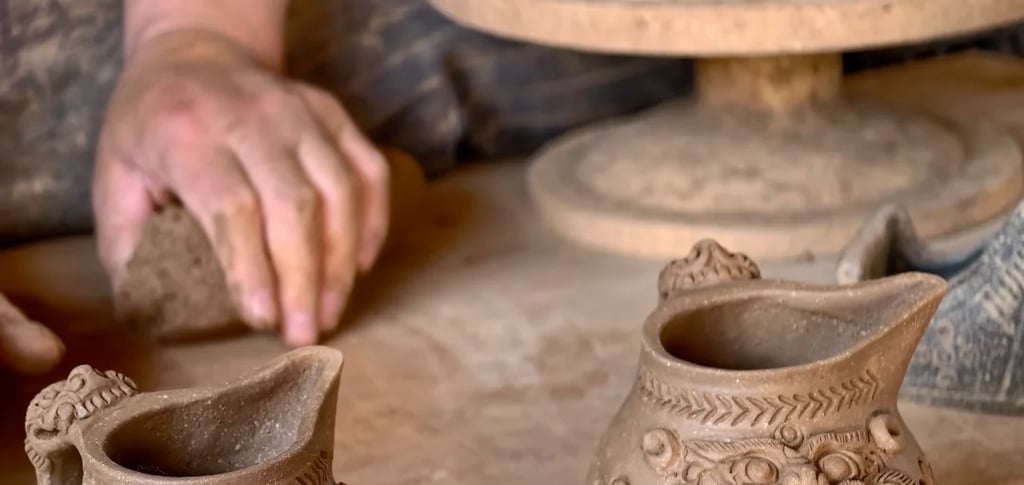

The ride from Shangri-La to Nixi is a short but meaningful highland cycling route in northwest Yunnan. It is not an extreme mountain ride, but it offers exactly what many riders look for in a real Shangri-La bike tour: open plateau air, Tibetan village scenery, old G214 road character, changing elevation, and the cultural heritage of Nixi Black Pottery Village.
This route journal is prepared by CycleQuest China, a local cycling team specializing in premium e-bike rental, road bike route planning, and supported cycling experiences across China.
Route Snapshot
Route: Shangri-La City → G214 → Nixi Township
Distance: Approx. 31 km one way
Starting Elevation: Around 3,300 m
Nixi Elevation: Around 2,700–2,900 m
Road Type: Mostly paved asphalt
Best Bike Type: E-bike, road bike, gravel bike, or touring bike
Difficulty: Moderate, mainly due to altitude, traffic, wind, and road awareness
Recommended Style: Half-day cultural ride or part of a longer Shangri-La road bike tour
Riding from Shangri-La toward Nixi
The route begins in Shangri-La city, already at about 3,300 meters above sea level. Even before any serious climbing, riders can feel the altitude: breathing is heavier, the sun is stronger, and the air is dry and clear.
From the city, the ride follows National Road 214 toward Deqin, gradually leaving the urban area and entering a wider highland landscape. The road passes Tibetan homes, open hillsides, rural settlements, and mountain views. This gradual transition is what makes the route special. It is not only a scenic ride, but also a cultural cycling route through one of Shangri-La’s important travel corridors.
Road Conditions
Most of the Shangri-La to Nixi route is paved, so it is suitable for both e-bikes and road bikes. However, riders should not expect a perfect cycling path. Some sections follow older parts of G214, where the road may have repaired asphalt, uneven patches, bends, and rougher edges.
Road bike riders should stay alert and avoid riding too close to the shoulder. E-bike riders should also ride conservatively, as assistance can make the route feel easier than it really is. The distance is manageable, but the altitude and road environment require attention.
Why Nixi Is Worth Riding To
Nixi is one of Shangri-La’s most distinctive cultural areas. It is known for traditional Tibetan black pottery, especially around the Tangdui area, about 30 km from Shangri-La city near the G214 and Shangri-La–Weixi road corridor.
A ride to Nixi gives travelers a deeper experience than a simple viewpoint stop. Riders can visit pottery workshops, see local village life, and understand how craft, road culture, and Tibetan communities are connected in this part of Yunnan.
For this reason, CycleQuest China considers Nixi an excellent route for travelers who want a Shangri-La e-bike tour with cultural depth, or a moderate road bike tour beyond the more familiar Napa Lake and Pudacuo routes.
E-Bike or Road Bike?
For most leisure riders, an e-bike is the most comfortable choice. It reduces the stress of high-altitude riding and allows more time for photography, village stops, and cultural visits.
For fit cyclists, a road bike works well because the road is mostly paved. However, road bike riders should be comfortable with traffic, bends, downhill control, changing surfaces, and riding at altitude.
CycleQuest China classifies this route as e-bike friendly, road bike suitable, and best with support for international guests, senior riders, or groups continuing beyond Nixi.
Extension toward Benzilan
Riders who continue beyond Nixi toward Benzilan should treat the route as a more serious road cycling section.
From Shangri-La, the first major section toward the pass is about 19 km, including roughly 4 km of continuous uphill. The gradient is moderate, but the high-altitude start means riders should keep a steady pace.
After the pass, the road descends for about 30 km toward Benzilan, with an elevation loss of around 1,500 meters. This long downhill section is scenic but demanding. It includes steeper sections, sharp bends, and limited visibility in places. Brake control and speed management are essential.
G214 is also a major Yunnan–Tibet corridor, so trucks, tourist buses, and local vehicles are common, especially in the morning. Riders should wear helmets, stay visible, keep to the right, and avoid riding side by side on narrow bends.
For independent cyclists, this extension requires caution. For international riders or mixed-ability groups, CycleQuest China recommends support vehicle backup, route guidance, and flexible pickup options.
High-Altitude Safety Tips
Even a moderate ride can feel harder in Shangri-La. Riders should allow time to adapt to altitude, avoid hard efforts early in the ride, carry enough water and snacks, and prepare for strong UV exposure and sudden weather changes.
Recommended gear includes a helmet, sunglasses, sunscreen, windproof layer, warm clothing, basic repair kit, and spare tube for road bikes. E-bike riders should check battery range before departure.
CycleQuest China Route Note
The Shangri-La to Nixi ride shows why cycling in Yunnan is not only about distance and elevation gain. A 31 km route can still offer a complete travel experience when it includes altitude, Tibetan culture, old national road scenery, and real route character.
For riders seeking a practical introduction to Shangri-La bike tours, e-bike tours, or road bike touring in Yunnan, Nixi is a route worth knowing.
CycleQuest China can support this type of ride with premium e-bike rental, road bike planning, bilingual guiding, support vehicle logistics, and custom Shangri-La cycling itineraries.
Sitemap
Phone
+86 18310259331
© 2003 - 2026 CycleQuest China All rights reserved ! Terms | Privacy Policy